
Table of Contents
- Why Verifying Wellness Device Claims Matters
- Wellness Device vs Medical Device: Understanding the Difference
- Step 1: Check Regulatory Status and FDA Clearance
- Step 2: How to Read Clinical Studies for Red Light Therapy
- Step 3: Assess Clinical Evidence for At-Home Wellness Devices
- Step 4: Use a Device Claim Verification Checklist
- Common Red Flags in Wellness Device Marketing
- Putting It Together: A Real Example
- Frequently Asked Questions
Last Updated: October 9, 2026
Why Verifying Wellness Device Claims Matters
You've probably scrolled past dozens of wellness device ads, red light masks, facial sculpting tools, infrared panels, each claiming to boost collagen or transform your skin.

The issue isn't that the devices don't work, it's that buyers didn't know how to separate legitimate clinical evidence from exaggerated marketing.
This guide teaches you exactly how to verify clinical wellness device claims: checking FDA status, reading clinical studies, assessing real-world evidence, and spotting marketing red flags.
A device that works becomes part of your daily routine; one that doesn't becomes clutter. Let's make sure you invest in the right one.
Wellness Device vs Medical Device: Understanding the Difference
The line between a wellness device and a medical device is critical, and it's where most marketing confusion starts.
A wellness device supports general health, beauty, or self-care, claiming to support skin appearance, relaxation, or wellness routines. Examples include most red light therapy masks, facial sculpting wands, and at-home infrared panels marketed for anti-aging.
A medical device is regulated by the FDA as a medical product. It makes claims about treating, diagnosing, preventing, or curing disease.
Why this matters: wellness devices face fewer regulatory hurdles, so you must do more work to verify claims yourself.
ChicCompass focuses on premium wellness devices with clinical backing.
The key: understand what category the device falls into. That tells you what verification steps matter most.
Step 1: Check Regulatory Status and FDA Clearance
Start here. This is your first filter for legitimacy.
The FDA oversees medical devices in the United States. Not all wellness devices need FDA approval, but many pursue it because it signals credibility. Clearance is a strong positive signal; its absence just means the claims are wellness-focused, not medical.
What FDA 510(k) Clearance Actually Means
FDA 510(k) clearance means the FDA reviewed the device and determined it's as safe and effective as an existing, approved device, a standard of safety and equivalence, not a gold standard of innovation.
For light therapy devices, 510(k) clearance means:
- The device has been tested for safety (no harmful radiation, proper wavelengths)
- It performs similarly to devices already on the market
- The manufacturer has submitted technical data and testing results
- The FDA has reviewed and approved it
What it does NOT mean: the device is new, superior to all others, or proven to deliver dramatic results. It means it's safe and comparable to existing options.
How to Verify FDA Status Online
Go to the FDA's official medical device database. Search for the device by brand name or manufacturer. Look for:
- 510(k) number: This is the clearance identifier. If you see it, the device has FDA clearance.
- Predicate device: This is the existing device the new one was compared to. If the predicate is also a light therapy device, that's a good sign of relevance.
- Indications for use: This describes what the device is cleared for. Read this carefully. If it says "general wellness," the device likely isn't making medical claims.
If you can't find the device on the FDA database, ask the manufacturer directly. If they claim clearance but can't prove it, that's a red flag.
Step 2: How to Read Clinical Studies for Red Light Therapy
This is where most people get lost. Clinical studies can look impressive if you don't know what to look for.
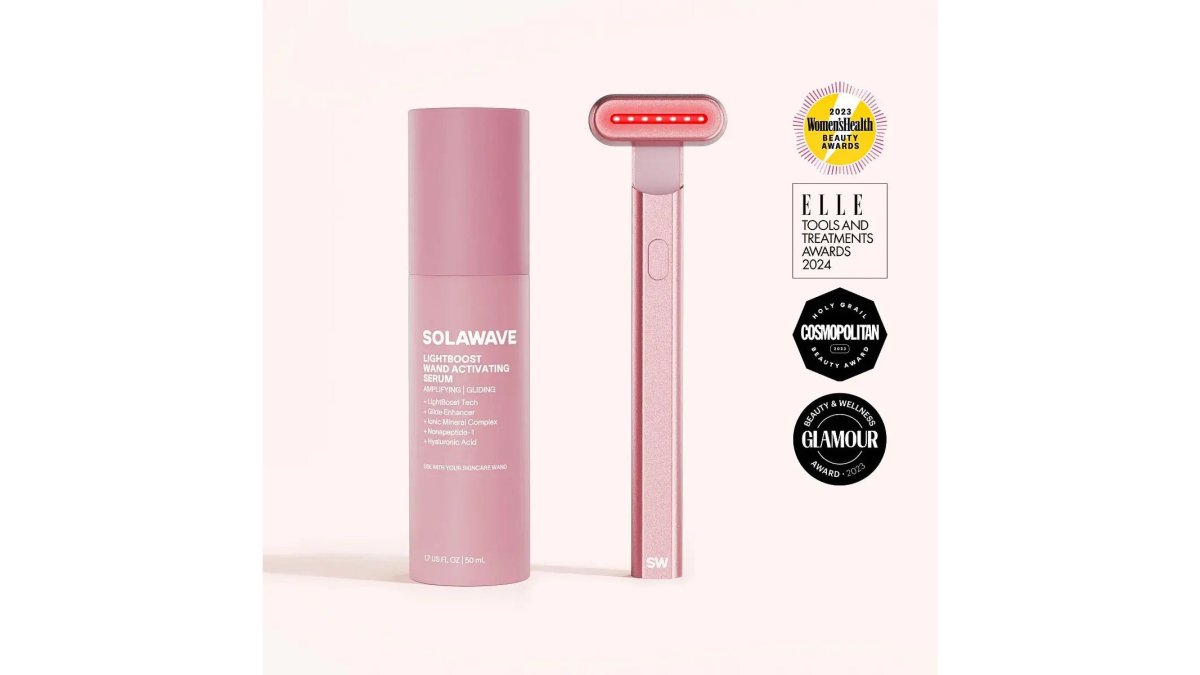
Red light therapy has solid clinical research behind it. Studies show benefits for skin health, collagen production, and recovery. But not all studies are created equal. A small study with poor methodology is less valuable than a large, well-designed one.

Key Elements to Look For in a Study
When you're reading clinical research about a device, check for these markers of quality:
Study size matters. A study with 50 participants is more reliable than one with 10, and hundreds are better still. Look for the "n=" number.
Measurable outcomes are specific. Good studies measure something concrete: collagen density, skin elasticity, fine line reduction. Vague claims like "participants felt better" are less valuable than measurable, objective results.
Independent testing is stronger. Manufacturer-funded studies aren't automatically bad, but independent research in peer-reviewed journals carries more weight. Look for the journal name, reputable dermatology and medical publications count.
Wavelength and power density matter. Red light therapy works via specific wavelengths (typically 600-700 nanometers for red, 700-1100 for near-infrared), and studies should specify them.
Red Flags in Poorly Designed Research
Watch out for these warning signs:
- Before-and-after photos without a control group. Lighting, angles, and makeup mislead; real studies compare treated and untreated skin in the same person.
- Testimonials instead of data. Reviews aren't clinical evidence, one person's success doesn't prove the device works for everyone.
- Vague claims about "studies show." If a manufacturer won't cite the actual studies, ask for the specific research.
- Extremely short study duration. A two-week study can't assess collagen or anti-aging effects; real skin changes take weeks or months.
- No mention of side effects or limitations. Real research acknowledges what didn't work and who shouldn't use the device.
Step 3: Assess Clinical Evidence for At-Home Wellness Devices
Here's the gap most people don't understand: clinical studies are often conducted in controlled environments. Real life is messier.
A study might show red light therapy increases collagen when used exactly 20 minutes, three times weekly, on clean skin. Use it 10 minutes, twice weekly, over makeup, and the results probably differ.
The Gap Between Clinical and Real-World Use
Clinical studies test devices under ideal conditions: consistent timing, controlled environments, strict protocol compliance, and measured outcomes like biopsies.
Sola Professional Light Therapy Mask →
Real-world use is inconsistent: you use it when you remember, environmental factors vary, you may deviate from the protocol, and results are subjective.
This doesn't make clinical studies useless, it means adjusting expectations.
The best devices are designed for real-world use: simple protocols (10-minute sessions, not 45-minute ones) that fit your actual schedule.
What Matters More: Study Size or Study Quality
Both matter, but quality beats quantity.
A large study (500 participants) with poor methodology is less useful than a smaller one (100 participants) that's randomized, placebo-controlled, and measures results objectively.
What to prioritize:
- Peer-reviewed publication: The study was reviewed by other experts before publication. This filters out obviously flawed research.
- Randomized design: Participants were randomly assigned to treatment or control groups, reducing bias.
- Measurable outcomes: Results were measured objectively, not based on participant perception.
- Relevant to your use case: A study on professional red light therapy in a dermatology clinic is less relevant than one testing at-home devices.
If a manufacturer cites a study you can't access, ask them to provide it. Legitimate companies share their research.
Step 4: Use a Device Claim Verification Checklist
Here's a repeatable process you can use for any wellness device.
| Verification Step | What to Check | Red Flag | Green Flag |
|---|---|---|---|
| FDA Status | Search device on FDA database | No FDA clearance mentioned, can't find device | 510(k) clearance number found |
| Clinical Evidence | Manufacturer provides studies | No studies cited, only testimonials | Peer-reviewed studies available |
| Study Design | Check for control group, sample size | No control group, fewer than 30 participants | Randomized, 100+ participants |
| Wavelength/Specs | Device provides technical details | Vague about wavelengths or power | Specific nanometers and mW/cm² listed |
| Independent Testing | Look for third-party validation | Only manufacturer-funded research | University or independent lab testing |
| Marketing Language | Assess claim specificity | "Proven to reverse aging," "Clinically proven" | "Supports collagen production," "May reduce appearance of fine lines" |
| Warranty/Returns | Check company confidence | No warranty, no return policy | 30+ day returns, 1+ year warranty |
| Price Justification | Understand the cost | Extremely cheap or no explanation of features | Clear feature breakdown, comparable to similar devices |
Use this checklist before buying any device. A device that passes most checks is worth considering. One that fails multiple checks should be skipped.
ChicCompass devices are designed to pass this checklist. Our red light therapy masks include FDA clearance, clinical backing, and full technical specifications. But we encourage you to verify any device, ours or competitors', using this framework.
Common Red Flags in Wellness Device Marketing
Learn to spot these patterns. They appear in nearly every overhyped wellness product.
"Clinically proven" without specifics. This phrase means almost nothing: proven to whom, in what study, with what results?
Before-and-after photos without context. Lighting, angles, makeup, and even hydration change how skin looks.
Testimonials as the main evidence. One success story isn't clinical evidence, testimonials are marketing, data is proof.
Extreme results with no explanation. "Reverse wrinkles in 30 days" or "Erase age spots overnight" are unrealistic claims.
Putting It Together: A Real Example
Let's walk through verifying a real device using this framework. Imagine a red light therapy mask whose manufacturer claims it "supports collagen production and reduces fine lines." Here's how to verify:
Step 1: FDA Status. Searching the FDA database, you find a 510(k) clearance for "light therapy for general wellness." Green flag, the clearance exists and matches the claims.
Step 2: Clinical Evidence. The manufacturer cites a study showing red light at 630nm increases collagen production.
Step 5: Specifications. The device lists wavelength (630nm), power density (50 mW/cm²), and LED count, which match the clinical study. Green flag.
Step 6: Price. At $479, the device aligns with its features and clinical backing. Green flag.
Step 7: Warranty. The company offers a 60-day return policy and 1-year warranty. Green flag.
This device passes the checklist. It's worth considering.
Frequently Asked Questions
How can you tell whether a wellness device's clinical claims are credible?
Check three things: first, verify the device has FDA 510(k) clearance (not just registration or self-certification). Second, find peer-reviewed studies published in recognized journals, not just white papers on the brand's website. Third, confirm the studies tested the exact device at the wavelengths and duration you'll actually use. If a company can't point you to independent verification, the claims are likely marketing rather than evidence.
What is the difference between a wellness device and a medical device?
A medical device makes specific health claims and undergoes FDA approval through the 510(k) process or premarket approval. A wellness device supports general health and wellness without claiming to treat, cure, or prevent disease. Many red light therapy masks occupy a gray area, some are FDA-cleared medical devices, others are wellness products. The distinction matters because medical devices have stricter evidence requirements. ChicCompass products like the Nicebeam LED mask are FDA 510(k) cleared, meaning they meet medical device standards for safety and performance claims.
How do you evaluate a clinical study for a wellness device?
Look for study size (at least 20-30 participants for credibility), a control group that received a placebo or comparison treatment, clear measurement methods, and published results in a peer-reviewed journal. Check whether the study tested the actual device you're considering, at the same wavelengths and session duration. Be skeptical of studies funded entirely by the manufacturer without independent oversight. Studies on skin tone diversity matter too, many light therapy research focuses only on lighter skin types, so devices tested across all complexions show more reliable evidence.
Does FDA clearance prove that a device works for every advertised benefit?
No. FDA 510(k) clearance means the device is substantially equivalent to an already-approved device and is safe for the intended use. It doesn't guarantee every benefit a brand claims. The device must be used as directed, correct wavelength, duration, and frequency matter. Results also vary by individual. A device cleared for collagen support won't automatically reduce wrinkles for everyone. Realistic expectations: clinical studies show statistically significant improvements, not universal transformation. That's why reading the actual study data matters more than just seeing 'FDA cleared' in marketing.
Verifying wellness device claims takes time, but it saves money and disappointment. You're not just buying a product, you're investing in something you'll use regularly. Make sure that investment is backed by real evidence, not marketing hype. At ChicCompass, we believe your wellness journey deserves devices you can trust. That's why our entire collection is clinically tested and transparently specified. Shop the Collection and find the premium wellness device that's right for your routine.